
Gold Continues its Raging Bull Market — What Does this Mean for Bitcoin's Future Price?


BTC has been trading sideways for a long time, but the silent flames of the trade war have spread to the entire world.
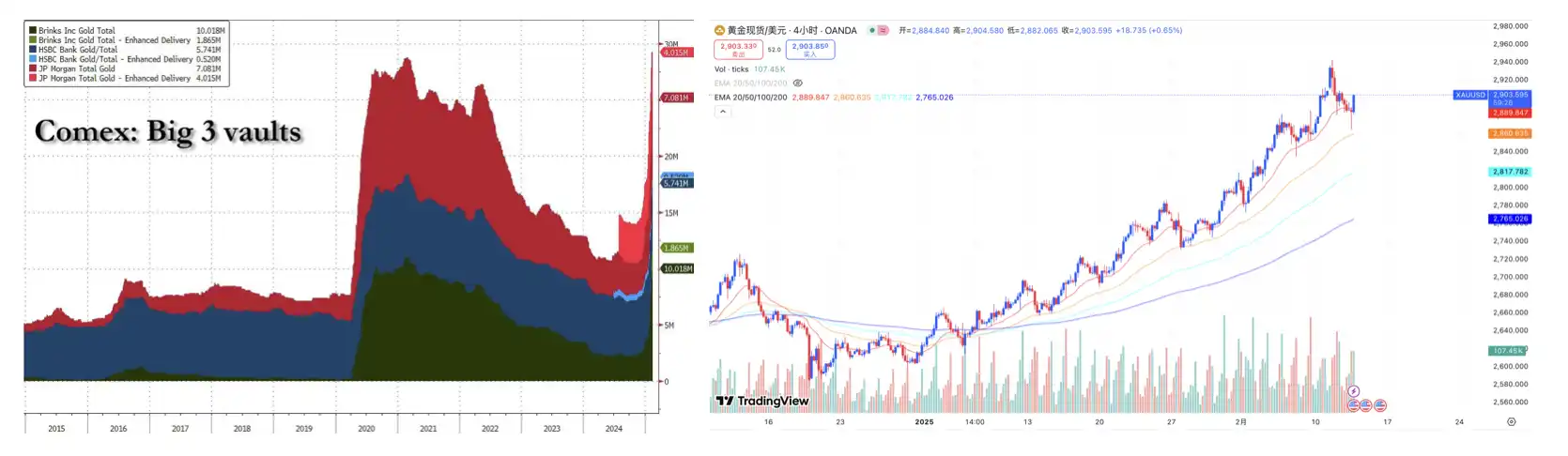
The gold holdings of the "Big Three" of COMEX: Brinks, HSBC, and JPMorgan Chase, have skyrocketed in a few days, exceeding historical highs. A large number of institutional investors are frantically increasing their gold holdings. During the high-level consolidation and volatility of BTC since January, gold has surged more than 13%.
The Macro Historical Roles of Gold, the US Dollar, and Bitcoin
When discussing the relationship between the wild bull market in gold and its impact on the price of BTC, let's first review the historical roles of both compared to the US dollar.
Naturally, as a currency, gold enjoys the love of many, and people's faith in gold has created its supreme safe-haven attribute.
Eighty years ago, the US and 43 other countries established the Bretton Woods system, with China also being a founding member. The Bretton Woods system was a gold standard system that fixed exchange rates. The currencies of other member countries were tied to the US dollar, which, in turn, was tied to gold. Member countries agreed to the US-set price of $35 per ounce of gold, meaning each dollar was backed by 0.888 grams of gold. Member countries' governments could exchange dollars with the Federal Reserve at this price for gold.
In 1971, gold surged, the US dollar plummeted, and the US faced a gold drain, unable to meet its obligations. President Nixon announced the closure of the gold window, leading to a collapse of the Bretton Woods system. Behind this was the natural contradiction of the Triffin Dilemma: the US could not simultaneously export dollars and goods to other countries. In the 1960s, the US continued to export dollars but import goods, leading to an expanding trade deficit. The US dollar's credit was under immense pressure.
Since then, the gold standard has completely exited the historical stage, entering the era of fiat currencies. Gold was defeated by the US dollar and was no longer a currency but a financial asset. From then on, the gold bear market and the US dollar asset bull market began.
At the time of the 21st-century Nasdaq bubble burst, the Federal Reserve aggressively cut interest rates, kept them low for an extended period, and engaged in continuous quantitative easing. The Fed's balance sheet rapidly expanded as it purchased large amounts of medium- to long-term US Treasury bonds to increase the money supply, injecting liquidity into the market to stimulate investment, household consumption, and business expansion.
For the US government, quantitative easing stabilized the financial market, stimulated economic recovery, brought incremental investment and household consumption, and drove corporate expansion. However, for the global market, the supply increase from such quantitative easing is undoubtedly vampiric. The pricing of major assets is still primarily in US dollars, and the Fed is "printing money" for the US economy, injecting a large amount of liquidity. Liquidity doesn't materialize out of thin air but is drawn from other economies.
Many economies' resistance to the "dollar hegemony," leading to their own assets being "sucked dry and devalued," has been key. One significant way is for economies' central banks to buy gold to maintain a partial anchor to gold in their economy.
It was also during the Fed's first massive quantitative easing that BTC, "this peer-to-peer electronic payment system," came into being.
BTC has no central issuing authority and is not directly controlled by any government or financial institution. Its total supply is strictly limited to 21 million coins, and governments cannot increase its supply as with fiat currency. During periods of monetary expansion and high inflation pressure, BTC's scarcity theoretically gives it better value preservation capabilities, helping to resist inflation's erosive effects on assets to some extent.
Since Satoshi Nakamoto invented BTC, it should have become a safe haven asset to counter monetary expansion and significant inflation pressure, serving as a tool for everyone and every economy to resist Fed's quantitative easing attacks and maintain their property value as stable as possible.
"When the author finished writing this book, he was already dead."
Today, with various factors such as the Strategy continually issuing debt to buy BTC, BTC ETF attracting a large amount of US risk capital, BTC's hedging properties have now been infinitely compressed, becoming a dollar asset highly correlated with the US stock market.
Recent Gold Bull Run
On February 12, another 600,000 ounces of gold were delivered to the COMEX vault, bringing the total inventory to 36.1 million ounces. The physical gold reserves of the "Big Three Vaults"—JPMorgan Chase, HSBC, and Brinks—have exceeded the peak during the epidemic, reaching a historic high.
Over the past twenty years, the pricing logic of gold has been essentially determined by a balance of US dollar credit, fund hedging, and investment flows. When these three factors act in the same direction, gold often sees its largest price surges.
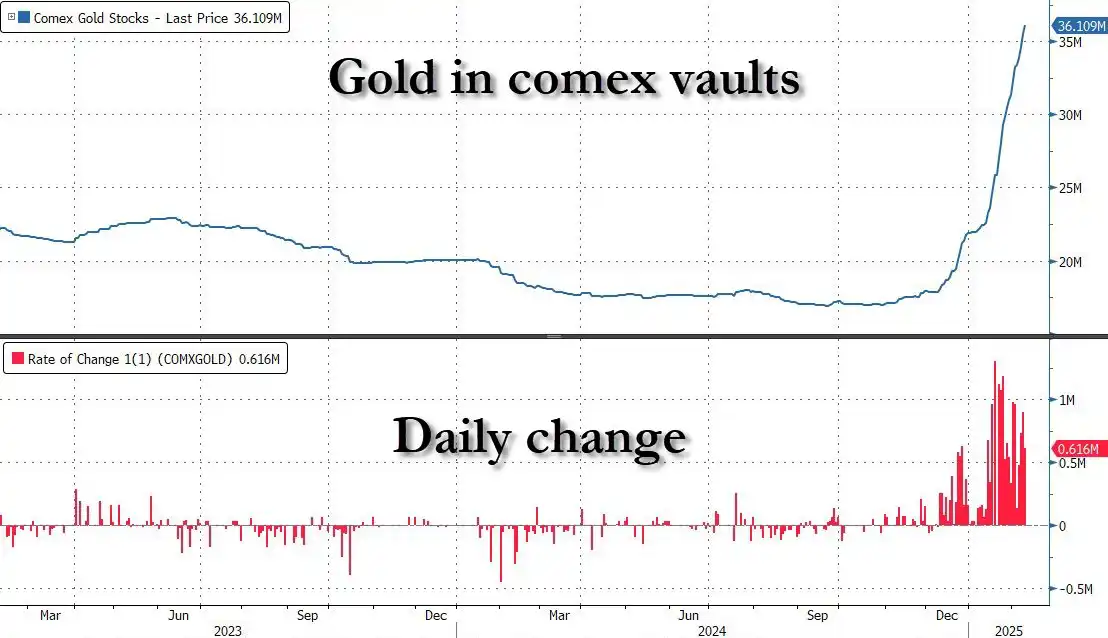
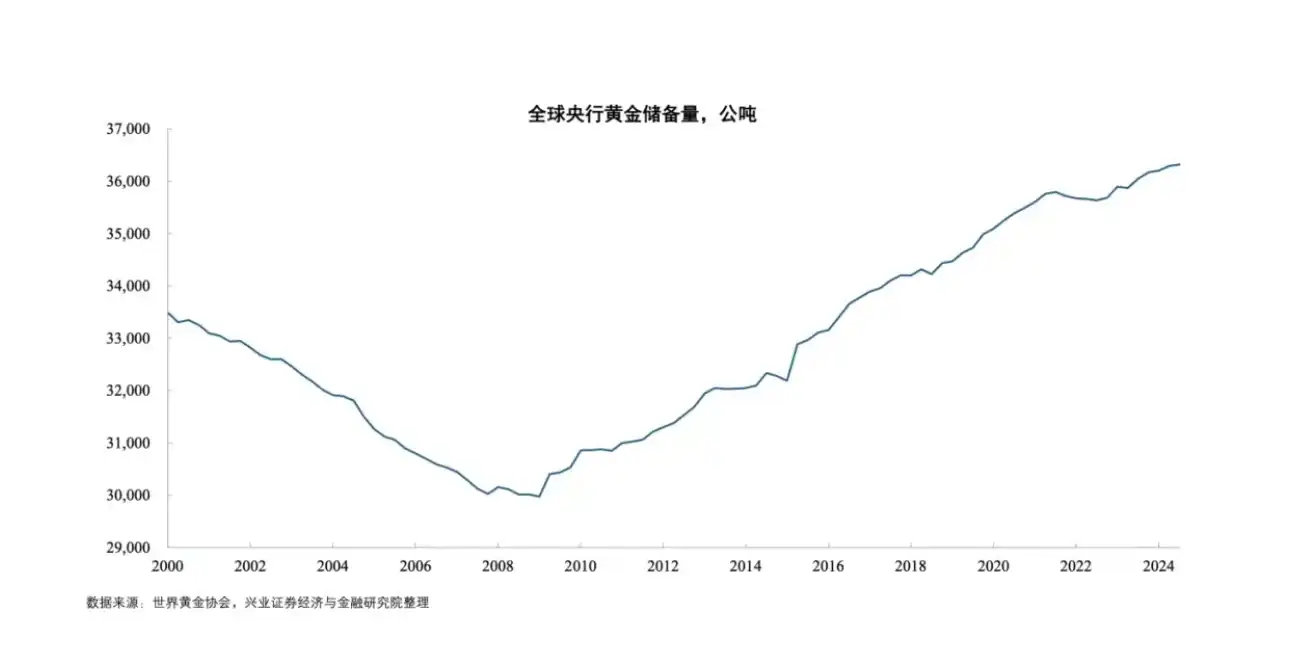
The purchase of gold as a crisis hedge has, to some extent, indicated that institutional investors' fear of the financial markets is intensifying, possibly due to economic recession risks, monetary policy uncertainty, and smart money in the market preparing for a major impending recession or inflation event. On the other hand, it reflects the Trump administration's imposition of tariffs worldwide. Non-dollar currency markets are undergoing a strong resistance to de-dollarization, with central banks of BRICS countries massively buying gold, and the gold-backed trade settlement system is rapidly developing.
In addition, due to direct US-UK import and export tariffs, some market expectations of the Trump administration's global imposition of tariffs leading to the taxed price of physical gold flowing from the UK to the US becoming more expensive, a large number of arbitrage traders are frantically moving gold from the UK to the US.
A major gold supply bank based in Singapore, a gold trader, stated that "the price of gold is soaring, and in Asia, gold demand has almost disappeared. At the same time, the United States has presented a great opportunity, and naturally, almost every bank wants to seize it—to transfer gold to the New York Commodity Exchange (COMEX) for delivery, to earn arbitrage profits." A significant futures-to-spot price difference has emerged, with the U.S. February 3rd gold futures premium over spot gold reaching $40, Indian gold prices at a $15 discount, and Chinese prices at only a $1 discount. In this situation, gold shorts can only try to replenish their gold stocks to cope with potential delivery demands, and COMEX's gold inventory has begun to "flywheel."
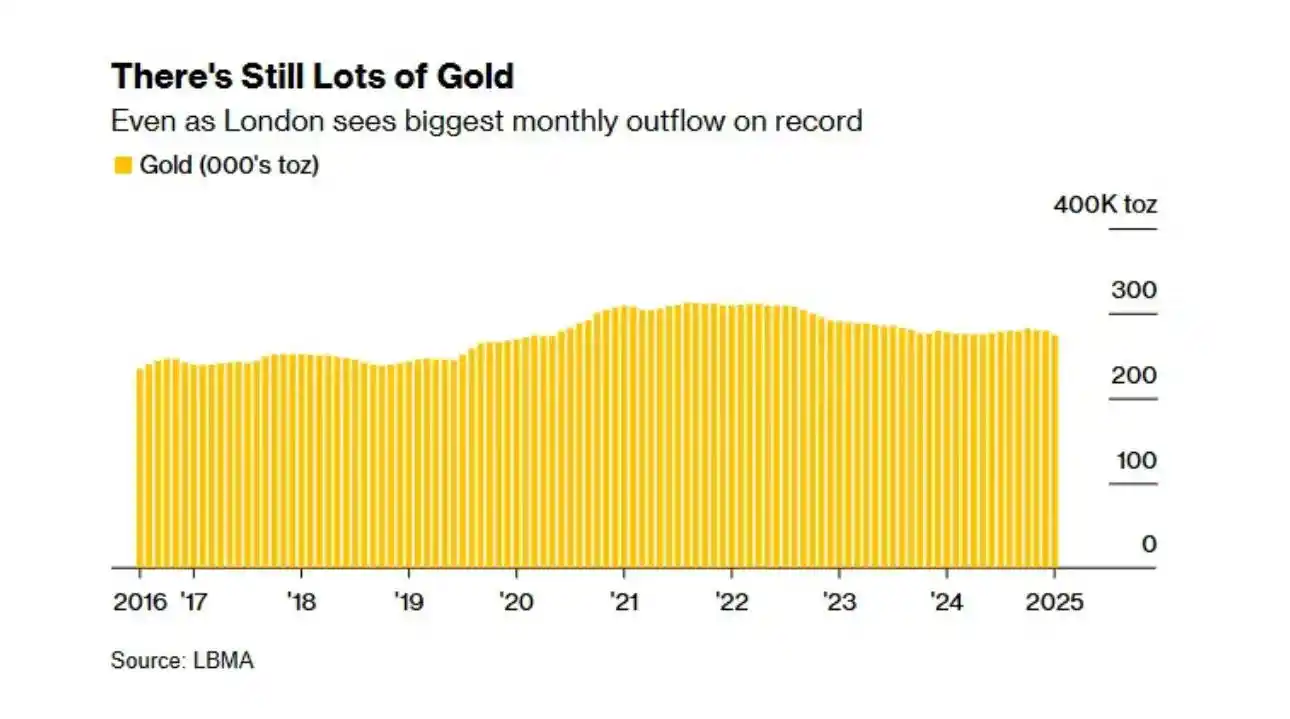
A large amount of gold has been moved from London to New York. In January 2025, according to data collected by the London Bullion Market Association, the amount of gold held in London's vaults decreased by 151 tons compared to the previous month, a decrease of 1.74%, marking the largest monthly decline since 2016.
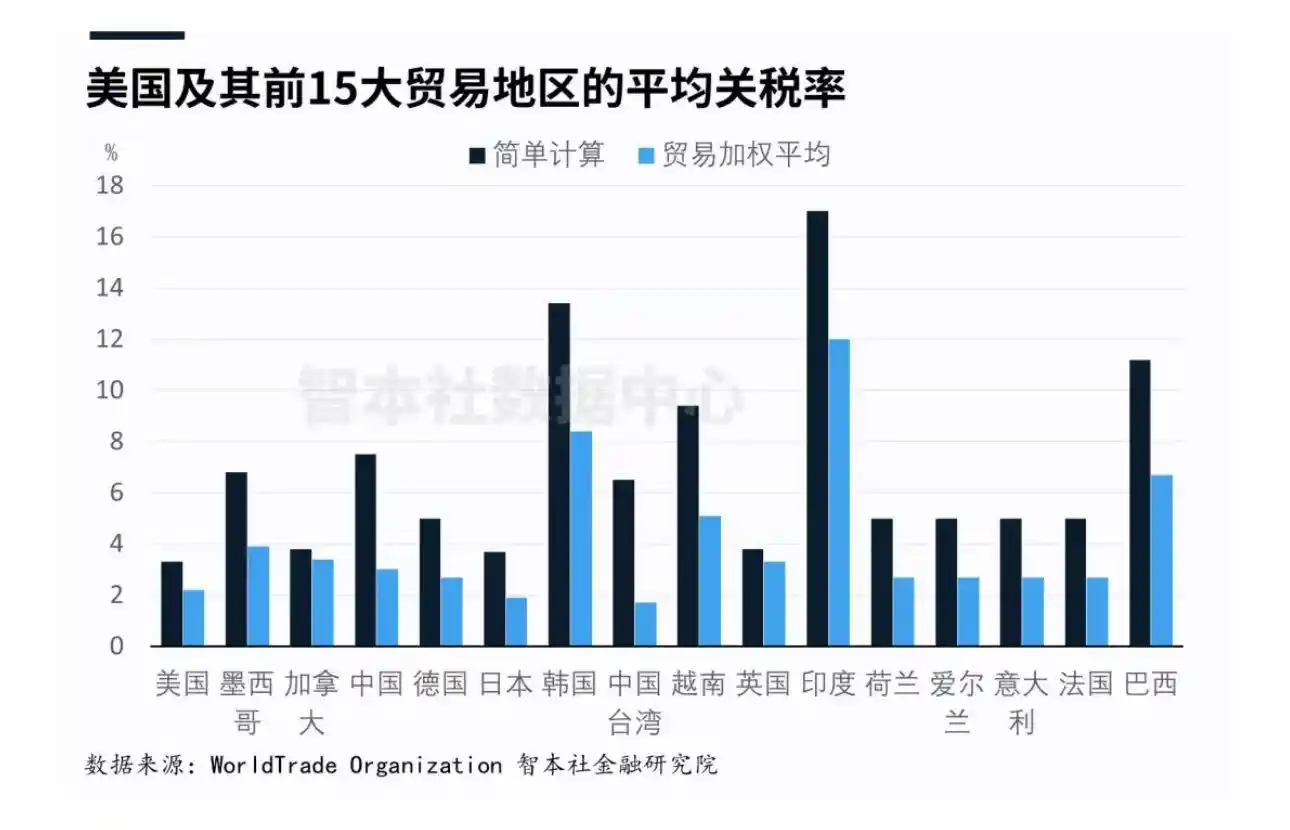
Arbitrage traders, hedge funds, global central banks, all major institutional investors seem to be following their respective investment logic, making a similar move—buying gold, resulting in a significant surge in gold prices. This is a unique gold-specific trend, independent of the U.S. 10-year Treasury yield and the U.S. dollar index.
Policy Swings of the Trump Administration
Let's revisit the past governing policies of the Trump administration and some of the current policies being implemented.
During the previous term of office, the Trump administration's policies generally showed a tendency towards a "strong dollar." The first Treasury Secretary explicitly stated that the U.S. would continue to pursue a "strong dollar" policy, implement trade protectionism, impose tariffs, causing America's trading partners to lower their currency exchange rates to increase exports, leading to a stronger dollar. This, to some extent, supported U.S. fiscal expansion and bolstered the dollar.
Currently, the Trump administration continues the policies of the previous term, adopting trade protectionism and tax reduction policies, remaining focused on a "strong dollar." Both the U.S. dollar index and the 10-year Treasury bond yield have long confirmed consensus on the macro trend.
At a micro level, the uncertainty of tariffs, the Trump administration's vacillation on imposing tariffs on different countries and asset categories, is repeatedly testing at a micro level. The Trump administration's verbal intervention in exchange rates is tightening expectations for a strong dollar, with Trump sometimes expressing support for a strong dollar, emphasizing the importance of the dollar as the global reserve currency; and at other times criticizing the dollar for being too strong, believing that a strong dollar will harm U.S. manufacturing's export competitiveness. Uncertainty about policy expectations could lead to a change in the macro trend or just minor oscillations, continuing the uptrend at the macro level.
However, this uncertainty risk has essentially confirmed that gold has transitioned into a safe-haven environment, with a large number of institutional investors increasing their gold allocations to hedge against the uncertain risks of global economic recovery.
What about BTC?
The continued inflow into COMEX gold vaults may confirm that gold has transitioned into a safe-haven environment. A combination of geopolitical changes, escalating debt concerns, and potential stock market instability may drive institutions back to the gold market, with bond yields remaining volatile and the stock market facing increasing downside risks.
At this moment, BTC, as mentioned earlier, should ideally play the role of a safe-haven asset. However, with the Trump administration's cryptocurrency policies, a significant number of U.S. publicly traded companies holding BTC, and the BTC ETF becoming an increasingly important purchasing power for BTC worldwide, BTC has become a USD-denominated asset instead.
Currently, gold and BTC are in a delicate relationship of opposition and unity. To some extent, their pricing logics complement each other, but they also have areas where they "leech" off each other. Cryptocurrencies represented by BTC are most sensitive to liquidity, while gold is most sensitive to risk.
From a liquidity perspective, the Fed's rate cuts will inject a large amount of liquidity out of stable bonds into the gold and bitcoin markets. From a safe-haven perspective, in times of major crisis, gold can accommodate more safe-haven funds, while BTC is more likely to fluctuate alongside the U.S. stock market.
Therefore, unless there is a significant change in the short-term macro environment, a strong bullish trend in gold does not necessarily have a resonating effect on BTC. When risk aversion sentiment wanes, it may lead to some liquidity outflow from certain safe-haven assets into risk markets represented by BTC and U.S. stocks.
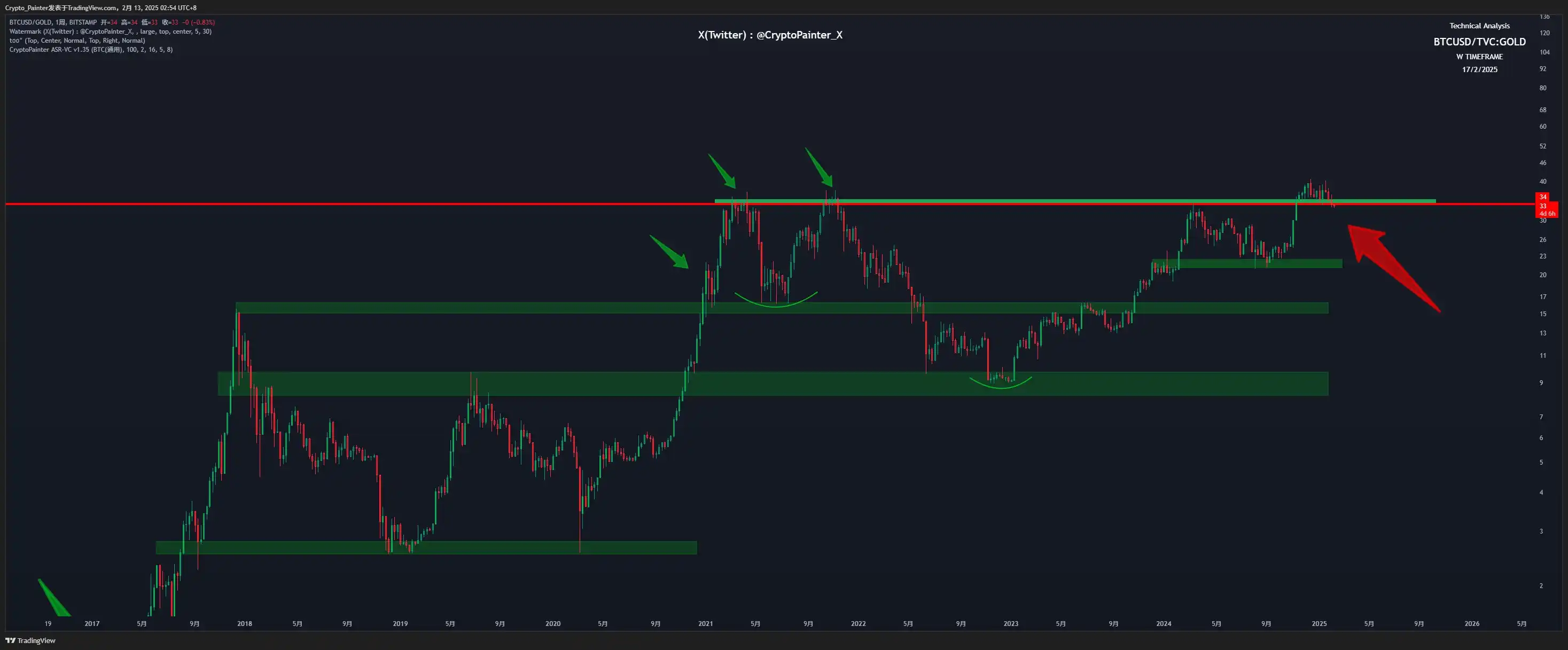
When we observe the BTC/GOLD price index change, the current situation seems to have dropped below the lower boundary of the range since 2025. If it cannot fully recover in the next two weeks, the collaboration between BTC bulls and gold bears will end in failure, signaling a failed breakout. This failure may represent a decrease in market risk preference in the near future, reducing investments in risk assets represented by BTC and increasing investments in safe-haven assets represented by gold.
When we zoom in and observe the volume-price structure of the daily BTC/GOLD chart, we review the breakout chart of BTC/GOLD since November 6th.
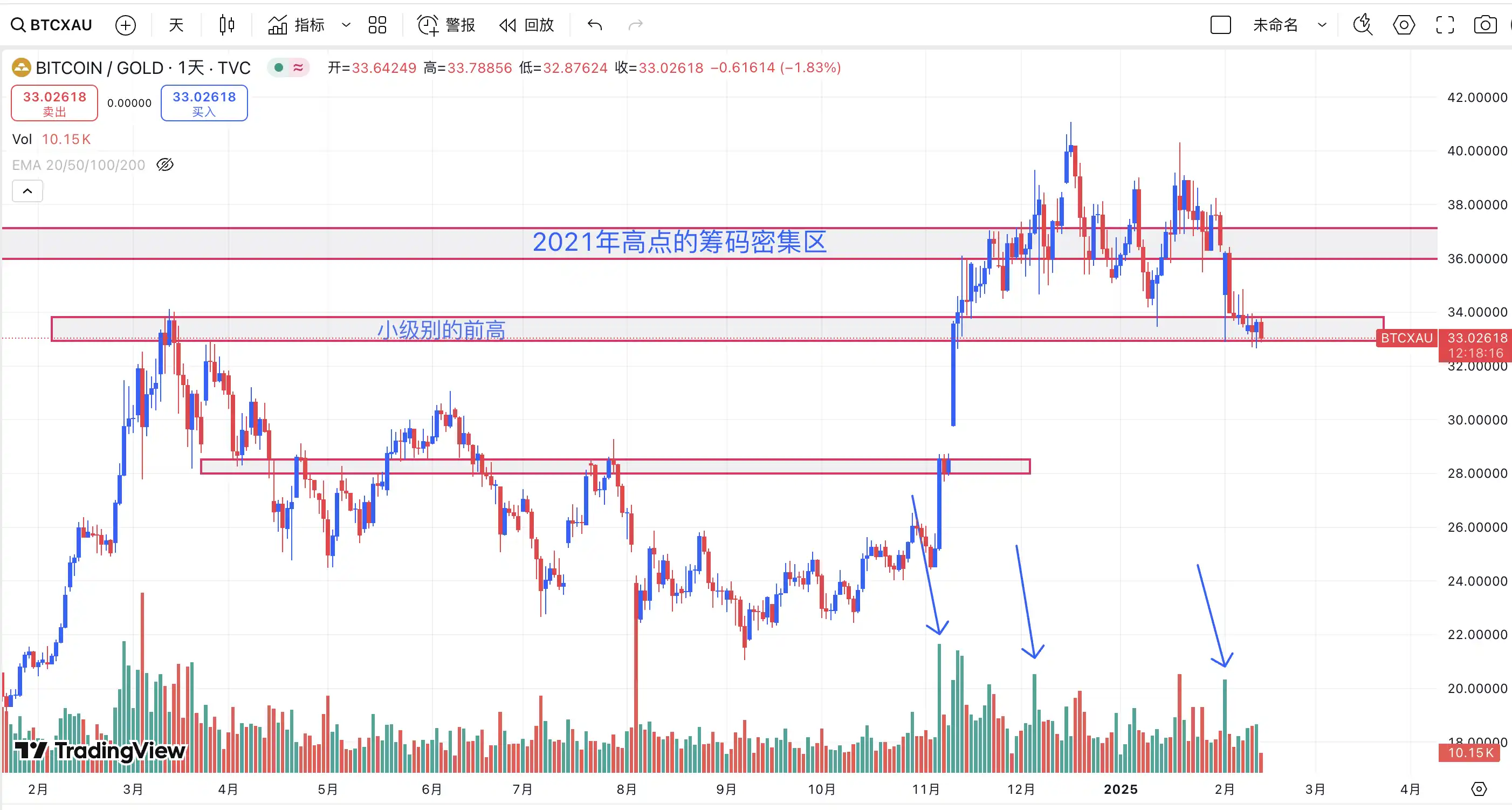
The first arrow-starting volume-price pattern is the beginning of a breakout volume-price pattern. At this time, the macro environment is President Trump's preparation for reelection as the President of the United States, becoming the first "Crypto President" in history. The first candlestick starting from the arrow shows synchronized volume and price action, with a very short upper shadow, confirming strong demand. The next candlestick shows significantly reduced volume, a short body, and very weak selling pressure. The following candlestick continues to rise significantly, with volume decreasing compared to the previous candlestick but with a longer body, indicating that selling pressure has not yet emerged. The following two candlesticks exhibit short bodies and long upper shadows, encountering resistance after touching a significant chip concentration area at the 2021 high, demonstrating that the chip concentration area at the 2021 high still exerts pressure. However, the price does not fall below the previous high at a smaller timeframe, and the previous high at the smaller timeframe effectively becomes a support level.
The second arrow-starting volume-price pattern is the breakout resistance volume-price pattern. At this time, the macro environment is Trump's confirmation of reelection as President of the United States, and the cryptocurrency market envisions the narrative of a Trump-elected president's impact on cryptocurrency. The volume of the second arrow is significantly larger than the previous candlestick but with a similar body length and a longer upper shadow, indicating strong selling pressure encountering significant supply, requiring stronger force for a successful breakout. The next candlestick has a long lower shadow but with very small volume, showing weak buying pressure, likely testing the strength of the buyers at this point.
The third arrow-starting volume-price pattern is the support rebound volume-price pattern. At this time, the macro environment is influenced by the uncertainty of trade tariffs. However, the volume of this candlestick quickly increases, confirming that the pressure of the previous high at a smaller timeframe has effectively converted to support. The next candlestick is pressured downward from the chip concentration area of 2021, with reduced volume but still attacking the support level, indicating weak selling pressure and even weaker buying pressure. The subsequent continuous narrow-range oscillation around the previous high shows that the rebound is effective and has not effectively broken, more likely going through a sideways adjustment, waiting for a pullback to moving averages or other support levels before breaking upward.
Does this mean that in the longer term, BTC will only serve as a risk asset investment and not as a safe haven asset?
Let's go back to comparing it to the purchasing power brought by the 2004 Gold ETF.
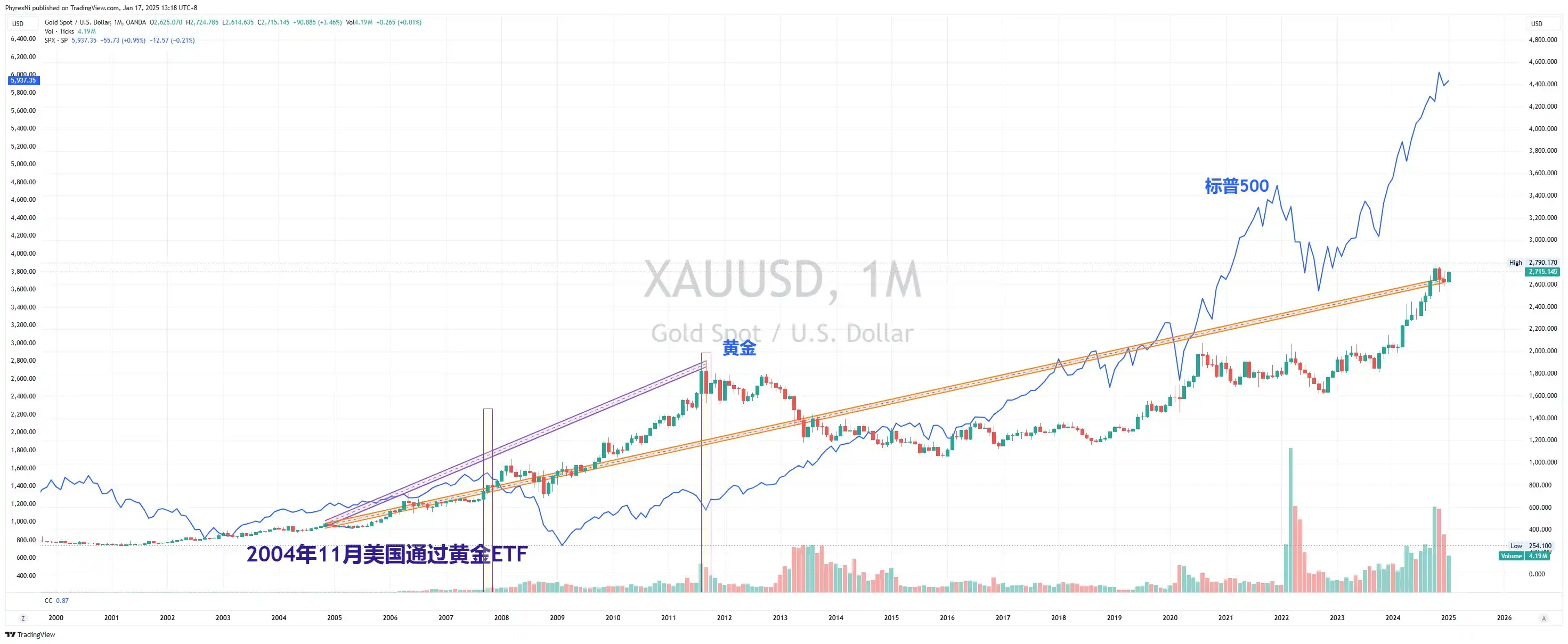
In November 2004, after the United States passed the Gold ETF, gold showed a positive correlation with the S&P 500 for a period. However, when a real crisis occurred, gold's price performance was evidently able to withstand more pressure. The subprime mortgage crisis in 2008 led to a halving of the S&P 500, dropping from a high of 1500 to less than 700 points, while gold only experienced wide-ranging oscillations at that time without forming a major bearish trend. When the economy recovered, gold was the first to recover all losses and reach new highs. When the economy fully recovered and global assets emerged from the shadow of the economic crisis, gold experienced a major oscillation, downtrend, and consolidation.
If we interpret the approval of a BTC ETF as a sign that more people in the market recognize the value of BTC, then when faced with a real crisis adjustment, BTC's resistance and resilience may be redefined. Its pricing logic may change, and perhaps it will return to its originally intended position: a "digital gold" designed to hedge against inflation.
You may also like

In the name of charity, for the benefit of the family: How the Trump family turned charity into profit?

Will Gold Break $4,500 After Tonight's Fed Decision? What XAUT and PAXG Traders Need to Know

Cursor, why did you get on Musk's spaceship?

Morning Report | DeepSeek completes over $7 billion in financing, with a valuation exceeding $50 billion; Musk's personal wealth has surpassed the total market value of Bitcoin

SharpLink CEO: How to understand that Ethereum developers have just surpassed 1 million?

Morning Report | MiCA grace period expires on July 1; Kalshi's trading volume in the first week of the World Cup breaks $5.1 billion, setting a record

The foundation of SpaceX's trillion-dollar valuation: Who is dividing Musk's annual capital expenditure of tens of billions?

How to exit after asset tokenization?

The stablecoin positioning battle escalates: When compliance is just a ticket to entry, will USD1 become the biggest winner?

A16Z: The sun bears witness, SpaceX is worth 7.5 trillion
Mergers and acquisitions in the cryptocurrency market are exceptionally active

Concerns Behind the Binance Customer Service Controversy

SpaceX Stock Prediction After the IPO: Can SPCX Reach $200 Before QQQ Inclusion?

Congratulations to Carl Moon on His Historic Ferrari Challenge Le Mans Podium Triumph
Crypto influencer and racing enthusiast Carl Moon finished third in the Ferrari Challenge Le Mans Coppa Shell class, marking his best result of the year. As his racing partner and sponsor, WEEX celebrates this remarkable achievement and continues to lead crypto’s journey beyond boundaries, uniting the innovation of digital assets with the passion of motorsport.
Can the CLARITY Act Become Law by July 4? Everything You Need to Know About the Final Battle

France vs Senegal World Cup 2026: Mbappe’s New Era Begins Against a Historic Rival
What is the connection between Huang Zheng of Pinduoduo and blockchain?

Morning Report | Prediction market platforms like Kalshi and Polymarket jointly sue Kentucky over 14.25% trading tax; Bridgewater founder discusses decision-making in the AI era: principled thinking should run parallel to AI, human insight remains irre...
In the name of charity, for the benefit of the family: How the Trump family turned charity into profit?
Will Gold Break $4,500 After Tonight's Fed Decision? What XAUT and PAXG Traders Need to Know
Cursor, why did you get on Musk's spaceship?
Morning Report | DeepSeek completes over $7 billion in financing, with a valuation exceeding $50 billion; Musk's personal wealth has surpassed the total market value of Bitcoin
SharpLink CEO: How to understand that Ethereum developers have just surpassed 1 million?
Morning Report | MiCA grace period expires on July 1; Kalshi's trading volume in the first week of the World Cup breaks $5.1 billion, setting a record


