
 Buy Crypto
- Markets
 Futures
- Spot
- Copy Trade
- Earn
- More
Tokenized Oil Crypto 2026: What It Is and How to Buy Oil-Backed RWAs

The rise of real-world assets on blockchain is actively reshaping traditional industries. One of the most compelling innovations to emerge is tokenized oil crypto, a new asset class that bridges the trillion-dollar global oil market with the flexibility and accessibility of decentralized finance.
For investors asking "what is tokenized oil crypto" or "is there a crypto coin for oil," the concept is straightforward. Tokenized oil crypto refers to blockchain-based digital tokens that represent ownership of physical oil assets—such as crude oil barrels, strategic reserves, pipelines, or future production revenue. In simple terms, it is a digital twin of oil on the blockchain, where each token is backed by verified physical oil, giving it intrinsic value tied to a tangible commodity rather than pure speculation.
How Tokenized Oil Crypto Works
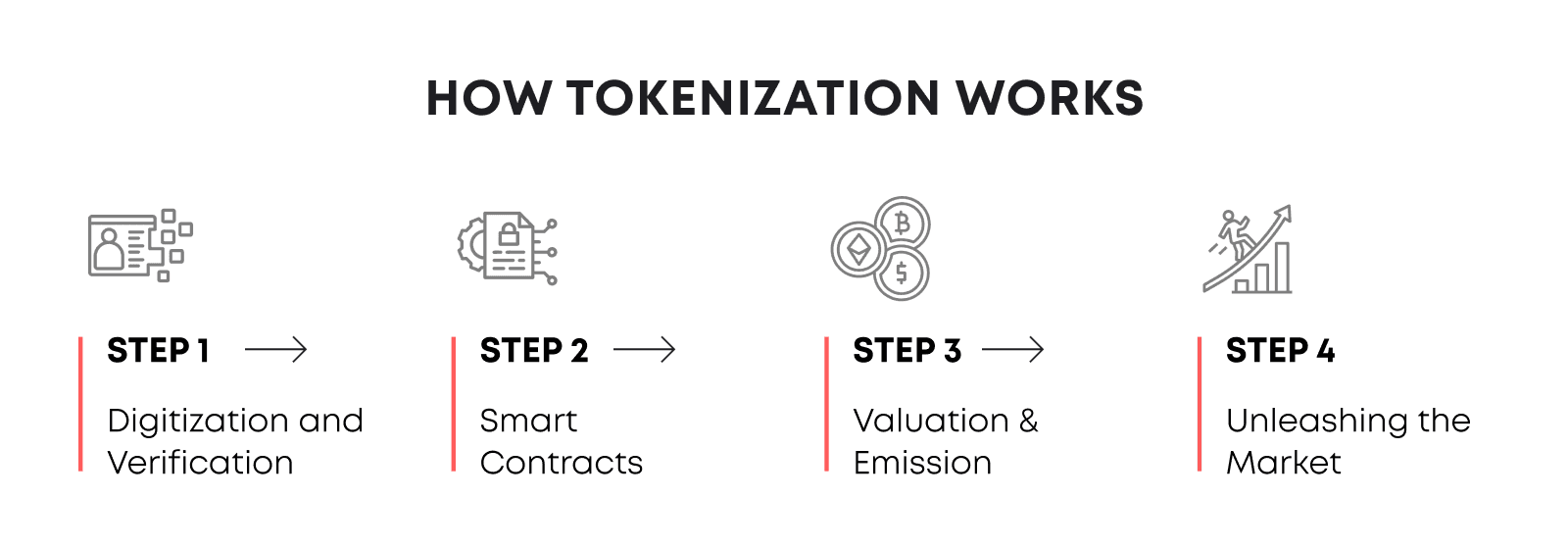
To understand how tokenized oil crypto works, start with asset verification: a regulated entity confirms the existence, quality, and storage of physical oil using benchmarks like Brent or WTI. Once verified, digital tokens are minted on a blockchain, typically at a one-to-one ratio where one token equals one barrel of oil. These tokens can be traded globally 24/7 with instant settlement, fewer intermediaries, and lower counterparty risk compared to traditional commodity trading. Oracles feed real-time data like oil prices into the blockchain to maintain accuracy. Finally, token holders can redeem their tokens for physical oil or cash through automated smart contracts.
This model creates a hybrid asset class at the intersection of oil markets and blockchain technology, merging commodity stability with digital programmability. The result is oil that can be traded around the clock, owned fractionally by small investors, and integrated directly into DeFi applications.
Read More: Can I Invest in United Global Oil Reserve (UGOR)? Complete 2026 Guide
Is There a Crypto Coin for Oil?
Many investors ask whether a crypto coin for oil already exists. The answer is yes, but with caveats. Several projects have attempted to create oil-backed cryptocurrencies, though the market remains in its early stages and large-scale adoption is still limited. Some aim to peg tokens directly to oil prices like stablecoins, while others represent direct ownership of physical barrels or revenue streams from oil production.
Not all projects have succeeded, primarily due to regulatory challenges, trust issues, and infrastructure limitations. However, institutional interest is growing rapidly. The tokenized oil ecosystem generally falls into three categories: commodity-backed tokens (1:1 backed by physical oil for trading or hedging), revenue or royalty tokens (representing future production income for passive yield), and infrastructure tokens (fractional ownership of pipelines, rigs, or refineries). While a mainstream oil coin has not yet emerged, these structures define the future of oil-backed RWAs.
Can You Buy Tokenized Oil and How to Do It
For retail investors wondering "can I buy tokenized oil," the short answer is yes, though access is still somewhat limited compared to mainstream cryptocurrencies like Bitcoin or Ethereum. Investors can typically buy tokenized oil through specialized blockchain platforms, private token offerings, or institutional-grade RWA platforms. Retail accessibility is improving, but it varies significantly depending on jurisdiction, regulatory compliance requirements such as KYC and AML, and platform availability.
If you are interested in entering this market, the process is relatively straightforward. First, choose a platform that offers RWA tokens or tokenized commodities, ensuring it has a credible track record and proper regulatory standing. Next, complete the required identity verification, as most legitimate platforms require KYC to comply with financial regulations. After your account is verified, fund it by depositing cryptocurrency like USDT or ETH, or fiat currency depending on the platform's options. Once funded, you can purchase oil-backed tokens directly through the platform's interface. Finally, you can choose to hold your tokens as a long-term investment, trade them on secondary markets, or use them in DeFi applications such as lending or collateral for other positions.
Is There a Crypto Pegged to Oil?
Another common question is whether there is a crypto pegged to oil, similar to how USDC or DAI are pegged to the US dollar. Some projects have indeed attempted to create oil-pegged tokens that aim to maintain a stable value based on oil price benchmarks like Brent crude. These tokens would theoretically use reserve-backed collateral to maintain their peg, allowing investors to gain exposure to oil prices without directly holding physical barrels.
However, unlike fiat-pegged stablecoins, oil-pegged crypto faces added complexity due to the inherent price volatility of oil itself, the logistical challenges of storage and verification, and the difficulty of maintaining a stable peg for a naturally fluctuating commodity. As a result, a fully stable oil-pegged cryptocurrency remains an evolving concept rather than a mature, widely available product. Investors interested in oil price exposure may find commodity-backed tokens that directly represent physical barrels to be a more straightforward and transparent option.
Why Tokenized Oil Crypto Has Massive Potential
Tokenized oil crypto offers benefits far beyond simple commodity trading.
- Unlocking Liquidity: The trillion-dollar oil market remains largely illiquid due to institutional barriers and slow settlement. Tokenization enables instant trading, fractional ownership, and 24/7 global access, unlocking previously inaccessible capital.
- Democratizing Investment: Traditional oil investments required millions of dollars. Now, anyone can participate with as little as tens or hundreds of dollars, opening the door to global retail investors.
- DeFi Integration: Tokenized oil can be used as collateral in lending protocols, combined with yield-generating strategies, and woven into entirely new financial ecosystems.
- Transparency & Efficiency: Blockchain provides immutable records, real-time tracking, and reduced fraud risk—solving the opacity and counterparty trust issues of traditional oil trading.
- Supporting Energy Transition: Tokenization can fund carbon capture projects, hybrid energy systems, and emerging market infrastructure, making it a powerful tool for global energy evolution.
How to Buy Tokenized Oil
If you’re interested in entering this market, here’s a simplified process:
Step 1: Choose a Platform
Look for a platform offering RWA tokens or tokenized commodities.
Step 2: Complete Verification
Most platforms require identity verification due to regulatory compliance.
Step 3: Fund Your Account
Deposit crypto (like USDT) or fiat currency.
Step 4: Purchase Tokens
Buy oil-backed tokens directly through the platform.
Step 5: Manage or Trade
Hold, trade, or use tokens in DeFi applications such as lending or collateral.
The Future of Tokenized Oil RWAs
As infrastructure matures and regulations evolve, tokenized oil could become a cornerstone of the next financial era. Key trends to watch include regulatory clarity, institutional platforms, deeper DeFi integration, and reliable oil-pegged stablecoins.
Tokenized oil crypto is more than a blockchain trend—it is a structural shift that combines physical asset backing with digital efficiency to create a more liquid, transparent, and inclusive energy market.
Ready to trade? WEEX offers zero fees, instant execution, and the security you need. Sign up on WEEX Now and Start Trading!
FAQ
Q1: What is tokenized oil crypto in simple terms?
Tokenized oil crypto is a digital token on the blockchain that represents ownership of physical oil, such as a barrel of crude oil. It allows you to buy, sell, and trade oil as easily as cryptocurrency, with the added benefits of fractional ownership and twenty-four seven global trading.
Q2: Is there a crypto coin backed by oil?
Yes, there are several projects attempting to create oil-backed cryptocurrencies. However, the market is still early, and large-scale adoption remains limited. Most existing tokens fall into categories like commodity-backed tokens, revenue royalty tokens, or infrastructure tokens.
Q3: Can I buy tokenized oil as a regular retail investor?
Yes, but access varies by jurisdiction and platform. You typically need to use specialized RWA platforms, complete KYC verification, and deposit funds before purchasing oil-backed tokens. Retail accessibility is improving but remains uneven across different regions.
Q4: How is tokenized oil different from oil futures?
Oil futures are derivative contracts traded on traditional exchanges with expiration dates. Tokenized oil represents direct ownership or rights to physical oil, trades twenty-four seven on blockchains, and can be used in DeFi applications such as lending or collateral.
Q5: Is tokenized oil crypto a good investment?
Tokenized oil offers unique benefits like fractional ownership, liquidity, and DeFi integration. However, it also carries risks including regulatory uncertainty, low liquidity in early markets, and smart contract vulnerabilities. Only invest what you can afford to lose, and treat it as a speculative position rather than a core holding.


 App
App